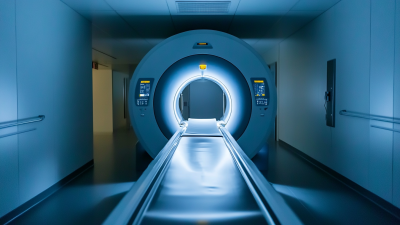
Mobile CT scan machines are revolutionizing the healthcare industry. These portable devices bring advanced imaging technology directly to patients. Dr. Emily Carter, a leading radiologist, states, “The Mobile CT Scan Machine enhances patient access to critical diagnostic tools.” Her insights reflect the growing popularity of mobile solutions in diagnostics.
The design of a Mobile CT scan machine allows for flexibility in various settings. From emergency rooms to remote locations, these machines provide high-quality imaging on-site. Unlike traditional CT scanners, they are compact and easier to maneuver. However, challenges remain in ensuring image quality similar to fixed models.
The functionality of a Mobile CT scan machine is remarkable. It utilizes sophisticated software to deliver rapid results. Nevertheless, operators must be trained to use the machines effectively. As the technology evolves, continuous training is essential. There is always room for improvement in patient care through enhanced imaging options.
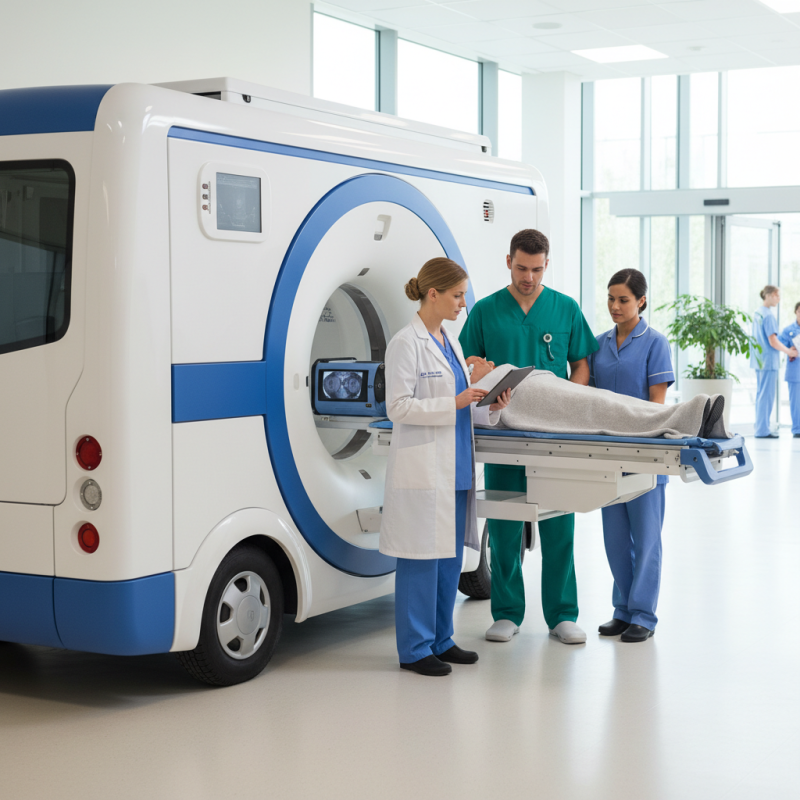
A mobile CT scan machine is a compact, mobile form of traditional computed tomography (CT) scanners. It enables healthcare professionals to perform detailed imaging without needing patients to travel to a hospital or imaging center. These devices can be wheeled into various settings, such as emergency rooms, clinics, or even remote locations. This flexibility helps improve patient access to vital diagnostic services.
The machine uses X-rays to create cross-sectional images of the body, offering clear views of organs and tissues. Technicians position the machine and patients accordingly. As the patient lies still, the machine rotates around them, capturing multiple images for a comprehensive view. The technology behind mobile CTs is advanced yet user-friendly, requiring specialized training for operators. Despite this, some challenges exist. Image quality may vary based on the environment or the operator's experience. Additionally, space constraints can affect setup and operation. These factors remind us that continuous improvement and training are essential for optimal performance.
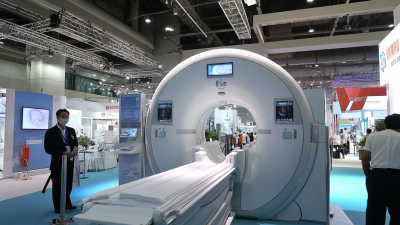
Mobile CT scan machines are essential tools in modern medical imaging.
These devices allow for quick and efficient imaging of patients in various settings. The key components of a mobile CT scan machine contribute significantly to its functionality and effectiveness.
A high-quality detector is crucial. It captures the X-ray data needed for image reconstruction. The x-ray tube generates the necessary radiation. Both components rely on precise calibration to ensure accurate results. An onboard computer processes the data, converting it into viable images for analysis.
Tips: Regular maintenance is vital for reliability. Check components often for wear and tear. Ensure that software updates for the imaging system are applied regularly.
The wheeled design of mobile CT machines provides flexibility. This design allows caregivers to move the unit closer to patients. It is vital for emergency situations. Operators must be trained to handle these devices safely. Each component needs careful attention during operation.
Operators should be aware of common issues that may arise, such as software glitches or connectivity problems.
Tips: Always familiarize yourself with the equipment's manual. A solid understanding of troubleshooting techniques can save time in critical situations.
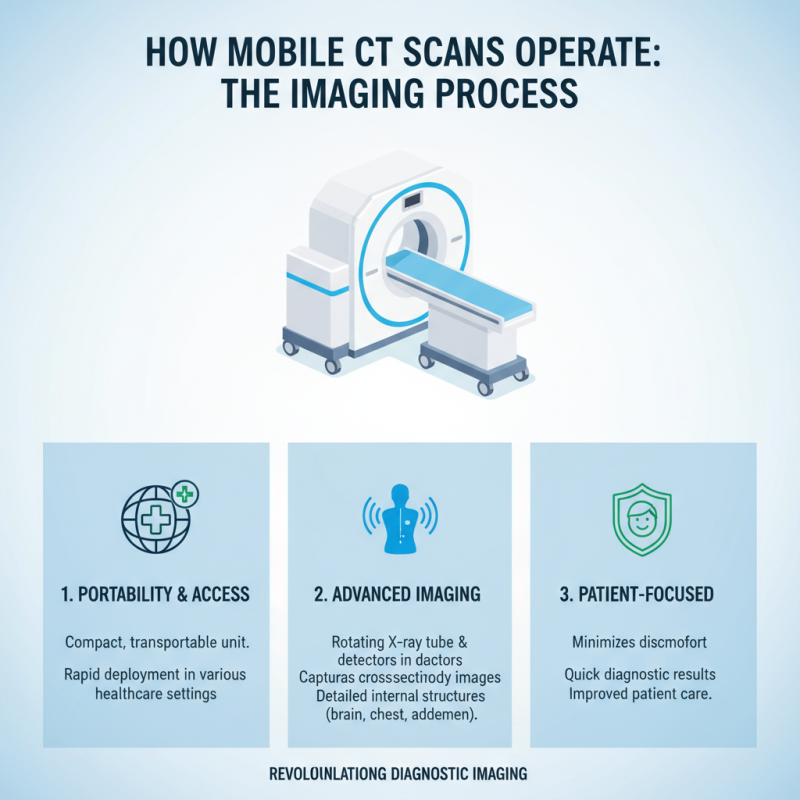
Mobile CT scan machines revolutionize the way imaging is performed in healthcare settings. They are compact and transportable, allowing for quick access to diagnostic imaging. These machines are equipped with advanced technology to produce detailed images of the body's internal structures while minimizing patient discomfort.
The imaging process starts when a patient is positioned inside the mobile CT scanner. The machine rotates around the patient, capturing multiple X-ray images from various angles. These images are then processed by a computer to create cross-sectional images of the body. The speed of this process is impressive. Patients usually spend only a few minutes inside the machine. However, the precision of images may vary based on the machine's location and the operator's expertise.
While mobile CT scans offer convenience, challenges remain. Differences in image quality may occur compared to stationary machines. Factors like movement during the scan can affect clarity. Additionally, the necessity for a power source limits where these machines are deployed. Continuous training for operators is essential to ensure high-quality imaging. Therefore, while mobile CT technology is beneficial, it's vital to acknowledge these limitations.
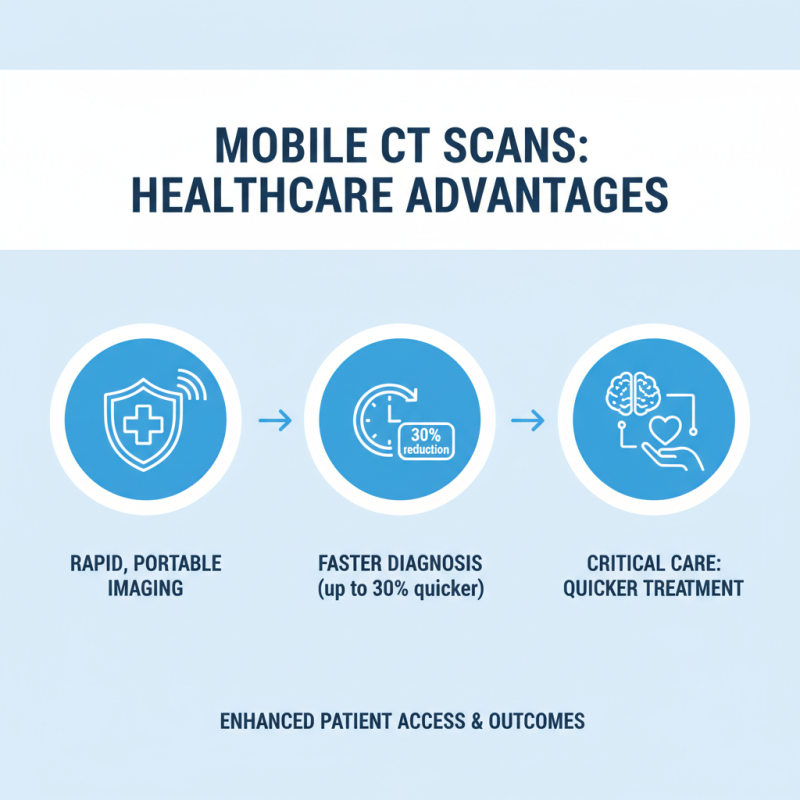
Mobile CT scan machines bring significant advantages to healthcare settings. These portable devices allow for rapid imaging in various locations. This capability enhances patient access to diagnostics, particularly in emergency situations. According to a report from the Radiological Society of North America, mobile CT scans can reduce the time to diagnosis by up to 30%. Swift imaging often leads to quicker treatment decisions, crucial for critical care scenarios.
In addition to speed, mobile CT units can improve workflow efficiency. Hospitals experience challenges in managing patient throughput. A study published in the Journal of Clinical Imaging Science noted that mobile CT scans can alleviate congestion in centralized imaging departments. By bringing the scanner to the patient, facilities can optimize space and personnel resources. However, the implementation of mobile units does pose logistical challenges, like maintaining equipment in diverse environments.
Cost is another factor to consider. Mobile CT scans can be more economical than traditional setups. While the initial investment may be higher, long-term operational costs tend to be lower. Facilities may also benefit from increased patient volume. Yet, it's vital to assess the balance between upfront costs and the potential for enhanced patient care. Each healthcare setting must weigh these aspects carefully to determine the best approach for their specific needs.
Mobile CT scan technology is evolving rapidly. Future innovations promise increased accessibility and efficiency in medical imaging. Recent studies forecast the market's growth at 15% annually through 2028. As hospitals seek to optimize resources, mobile CT machines become essential in emergency services and rural healthcare.
The integration of AI will enhance image processing. This development allows for quicker diagnoses, improving patient outcomes. Data shows that real-time analysis can reduce diagnostic errors by 15%. However, challenges remain. The portability of these machines often sacrifices image quality. It is crucial for developers to balance convenience with diagnostic accuracy.
Additionally, telemedicine is pushing the boundaries of mobile CT applications. Real-time imaging paired with remote consultations can revolutionize patient care. Yet, the reliance on technology raises concerns about data security and patient privacy. Innovations must prioritize these aspects as they advance.
| Feature | Description | Benefits |
|---|---|---|
| Portability | Designed to be moved easily between locations for quick scans. | Improves access to imaging in emergency situations or underserved areas. |
| Speed | Rapid scanning capabilities that reduce patient wait times. | Enhances efficiency in diagnosis and patient throughput. |
| Advanced Imaging Techniques | Incorporates the latest technologies for high-resolution images. | Provides better diagnostic information for healthcare providers. |
| Telemedicine Integration | Can transmit images and data wirelessly to remote specialists. | Facilitates instant consultations and remote diagnosis. |
| Patient Comfort | Designed for minimal patient discomfort during scans. | Improves patient experience and encourages cooperation during procedures. |