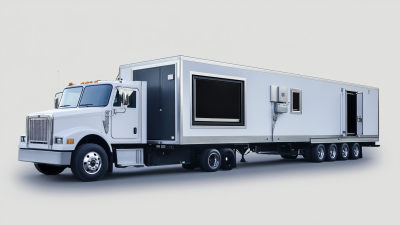
In today's rapidly evolving healthcare landscape, Mobile CT Imaging has emerged as a crucial innovation. According to the American Hospital Association, about 30% of hospitals now use mobile imaging services to enhance patient care. This technology allows healthcare facilities to provide immediate, high-quality imaging without the limitations of fixed equipment. Dr. Emily Chan, a leading expert in radiology, asserts, "Mobile CT Imaging not only improves access to diagnostic tools but also enhances patient outcomes."
Facilities adopting Mobile CT Imaging can greatly reduce wait times for critical imaging services. This responsiveness is vital in emergency situations where every minute counts. A study from the Radiological Society of North America found that mobile imaging led to a 25% reduction in time-to-treatment for stroke patients. However, some facilities still hesitate to integrate this technology due to concerns about costs and logistics. It's important to weigh the potential benefits against these challenges.
Incorporating Mobile CT Imaging isn’t just about keeping up with technology; it’s about prioritizing patient care. Facilities must critically evaluate their capabilities and readiness to implement such systems. As healthcare continues to shift towards patient-centered models, embracing Mobile CT Imaging can significantly influence how providers respond to patient needs.
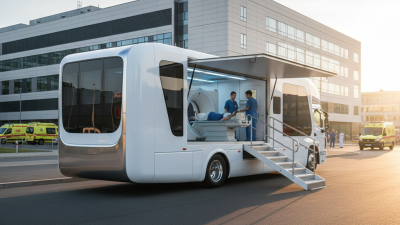
Mobile CT imaging offers several advantages for healthcare facilities. One significant benefit is its flexibility. Hospitals can transport advanced imaging equipment directly to patients, which enhances access to diagnostic services. This is especially valuable in emergency situations. It ensures that critical care is delivered swiftly. On-site imaging can reduce the need for patient transfers, minimizing delays in treatment.
Another key aspect is cost-effectiveness. Mobile CT services can reduce the expenses associated with maintaining fixed imaging facilities. Healthcare providers can access the latest technology without the overhead of purchasing equipment. This allows them to allocate resources more efficiently. Moreover, mobile units often use less space, allowing facilities to maximize patient care areas.
Despite these benefits, there are challenges. Not every mobile CT service may meet the same standards. Facilities must ensure that operators are skilled and that equipment is well-maintained. Additionally, relying on mobile services may not provide the same level of consistency as static facilities. These factors require careful consideration when deciding on mobile imaging solutions.
Implementing mobile CT imaging solutions can significantly enhance the cost-effectiveness of healthcare facilities. A study conducted by the Healthcare Financial Management Association found that mobile services can reduce expenses by 30% to 50% compared to fixed CT installations. Mobile units require less infrastructure investment, which is beneficial for facilities with tight budgets or those in rural areas. This flexibility allows them to allocate resources toward other critical areas of patient care.
Moreover, mobile CT imaging contributes to reduced downtime and operational costs. A report by the American College of Radiology revealed that facilities using mobile services reported a 20% increase in patient throughput. This efficiency often results in higher revenue, indirectly offsetting operational costs. However, the initial investment in mobile units can be perceived as a financial burden. Facilities must carefully evaluate their specific needs before making a decision.
While mobile CT imaging presents clear benefits, it’s essential to acknowledge potential drawbacks. Limitations in scanning capabilities and potential delays in scheduling may arise. Facilities should remain aware of these challenges. As demand for imaging services continues to grow, understanding both sides of the equation is crucial for making informed decisions.
Mobile CT imaging is transforming patient care in healthcare facilities. Enhanced accessibility is its standout feature. Patients can receive scans without traveling far. This is especially beneficial for those with mobility issues. Traditional imaging often requires waiting in lines, which can cause anxiety. Mobile CT units bring the service to the patient, offering convenience and comfort.
The focus on patient comfort is also vital. Mobile imaging units are designed to be inviting and less intimidating than traditional imaging environments. Patients experience reduced stress during the process. The familiar, quieter settings of mobile units can lead to more accurate results. Reducing the journey and wait time not only enhances comfort but can also improve patient outcomes.
When incorporating mobile imaging, consider the layout. Ensure the entry points are accessible for all patients. Engage staff in understanding the significance of this service. The more knowledgeable the team, the better the patient experience. Always seek feedback from patients to identify areas needing improvement. This will foster a culture of continuous enhancement in service delivery.
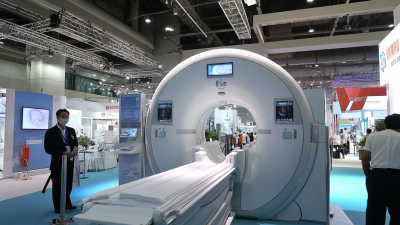
Mobile CT imaging systems have revolutionized how healthcare facilities operate. These advancements allow for quicker and more accurate diagnostics. High-resolution imaging can be achieved on-site, minimizing patient transfer. The technology has made it easier to perform scans in emergency situations. This can significantly improve patient outcomes.
The latest mobile CT systems are equipped with cutting-edge features. They often include advanced software for real-time image analysis. Many boast streamlined interfaces for quicker operation, allowing healthcare professionals to focus on patient care. These systems are designed to be user-friendly, which can reduce the learning curve for staff. However, integrating new technology can still pose challenges. Training and maintenance need careful planning.
While mobile CT services are beneficial, reliability can vary. Regular maintenance is essential for consistent performance. Facilities must ensure they have access to support when issues arise. Moreover, there are concerns about the initial investment and space requirements. Balancing these needs with patient care priorities requires thoughtful consideration.
Mobile CT imaging offers significant benefits to healthcare facilities by enhancing diagnostic efficiency. According to a recent report from the Radiological Society of North America, mobile imaging can reduce wait times for patients by up to 40%. This rapid access to imaging services allows for quicker diagnosis and treatment planning, resulting in better patient outcomes.
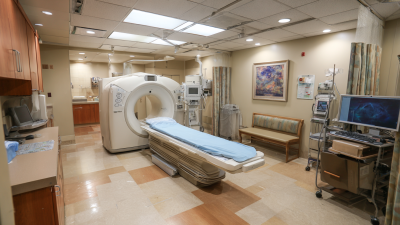
On-site imaging means that healthcare providers can perform scans immediately where patients are located. This model eliminates the need for transportation to another facility, minimizing delays. A 2022 study published in the Journal of Healthcare Management highlighted that organizations utilizing mobile imaging reported a 30% increase in patient satisfaction.
There are challenges, of course. Sometimes the technology may not be as advanced as fixed CT units. However, it is crucial to weigh these drawbacks against the immediacy and convenience mobile imaging provides. Acknowledging these limitations is essential for continuous improvement in healthcare services.