Top Tips for Choosing the Best Elastic RFID Wristband?

Choosing the right elastic rfid wristband is crucial for successful event management and access control. According to a report by MarketsandMarkets, the RFID market is expected to reach $26 billion by 2026, highlighting the growing demand for reliable tracking solutions. The right wristband can improve attendee experience while ensuring security and efficient management.

When considering an elastic RFID wristband, focus on materials and durability. High-quality elastic can withstand wear and tear, making it suitable for various events. Interesting enough, many users overlook the importance of comfort. A poorly designed wristband can annoy attendees, negating the benefits of technology.

Moreover, customization options are essential. Businesses must reflect brand identity through design. Notably, inadequate branding can lead to missed promotional opportunities. In conclusion, evaluating options carefully is necessary. The right elastic RFID wristband can enhance security and elevate the overall experience.
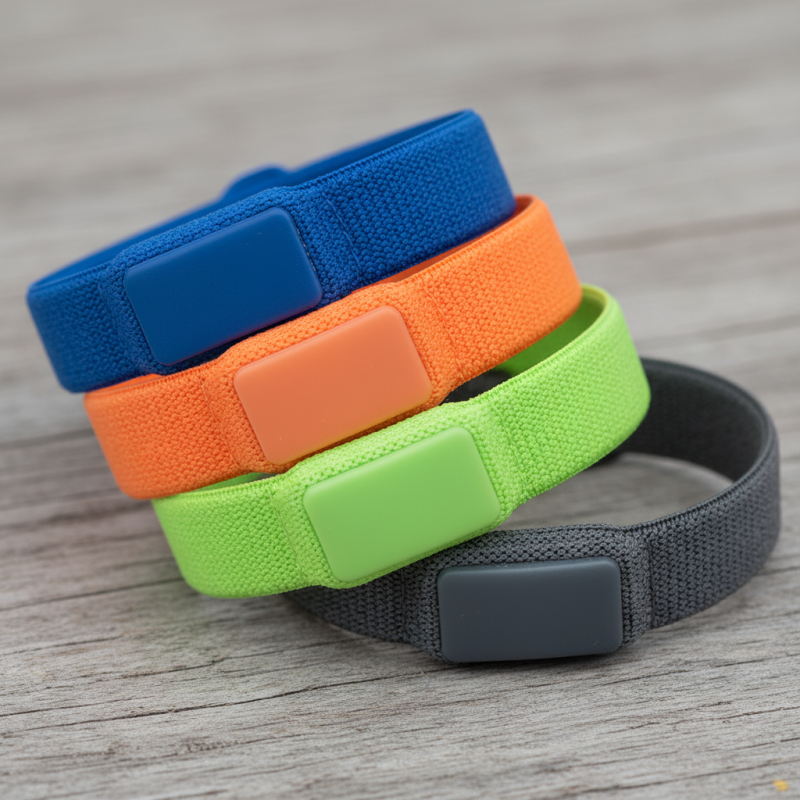
Top Tips for Choosing the Best Elastic RFID Wristband?

Understanding RFID Technology and Its Applications in Wristbands

RFID technology stands at the forefront of innovation in wristbands. It allows for seamless communication between the wristband and a reader. The technology uses radio waves to transmit data. This enables quick identification and tracking of individuals or items. A wristband equipped with RFID can store various information, such as entry access, payment details, or personal identification.

The applications of RFID wristbands are diverse. They are widely used in events, festivals, and theme parks for efficient guest management. Attendees can access areas just by tapping their wristband. This reduces wait times and enhances the overall experience. However, challenges exist. Not all RFID wristbands operate with the same technology. Variations in frequency and range can affect performance. It is crucial to assess the event's specific needs before choosing a wristband.

While many organizations praise the convenience of RFID wristbands, issues often arise. Data security remains a concern. Ensuring that personal information is protected is essential. Additionally, battery life can impact usability. Some wristbands may require frequent recharging, leading to inconvenience. It’s vital to weigh these factors carefully when selecting the best elastic RFID wristband for your needs.

Key Factors to Consider When Selecting Elastic RFID Wristbands

When selecting elastic RFID wristbands, it's crucial to consider their material. High-quality materials ensure comfort and durability. Look for bands that can withstand daily wear and tear. If the wristbands are for events, they should also be waterproof to handle spills or unexpected weather changes.

Fit is another vital factor. The wristbands should be adjustable. A snug fit prevents them from slipping off, yet they shouldn't be overly tight. If you're unsure, consider testing different sizes. This ensures a balance between comfort and functionality.

In terms of design, choose wristbands that enhance the event's theme. Simple designs can often be more versatile, but do not shy away from bold colors or patterns if it aligns with the occasion. Reflect on how the wristbands will be used. Their appearance should cater to both aesthetic appeal and practicality.

Top Tips for Choosing the Best Elastic RFID Wristband

This chart illustrates the key factors considered by users when selecting elastic RFID wristbands, based on a survey of preferences. The data highlights the importance of each factor in the decision-making process.

Comparative Analysis of Different RFID Materials and Their Durability

When selecting RFID wristbands, durability should be a top priority. Different materials can profoundly affect the longevity and performance of the wristbands. According to a recent industry report, PVC wristbands can last up to two years, but they are prone to wear in harsh conditions. Conversely, silicone RFID wristbands typically exhibit superior resilience and can endure exposure to water and chemical elements, making them ideal for outdoor events.

In terms of material analysis, polyester offers a balance between durability and comfort. It can endure wear and tear while remaining soft against the skin. Studies show that polyester wristbands can withstand utube and heat exposure better than alternatives. However, consider the environment where the wristbands will be used. Choosing the wrong material can lead to premature failure.

Here are some tips for selection: Choose a material that fits your specific needs. Look for RFID wristbands that have a proven track record. Consider not just the initial cost, but long-term durability. Investing in higher-quality materials can save money over time. Always check for user reviews and material certifications. This will enhance your confidence in the decision-making process.

Top Tips for Choosing the Best Elastic RFID Wristband? - Comparative Analysis of Different RFID Materials and Their Durability

Material Durability (Years) Water Resistance Comfort Cost Estimate ($)
Silicone 3-5 High Very comfortable 1-3
Fabric 2-4 Moderate Comfortable 3-5
PVC 5-7 Low Less comfortable 0.5-1
TPE (Thermoplastic Elastomer) 4-6 High Very comfortable 2-4
Nylon 3-5 Moderate Comfortable 2-3

Evaluating the Cost-Effectiveness of RFID Wristbands for Event Management

Event management can be complex, especially when ensuring a seamless guest experience. RFID wristbands have become popular for this purpose. They simplify entry, streamline payments, and enhance security at events. However, their cost-effectiveness is a pressing concern for many organizers.

The price of RFID wristbands varies widely. Factors include material quality, durability, and functionality. While a lower initial cost may seem appealing, cheaper wristbands often lack necessary features. This can lead to increased costs down the line for replacements or additional support. Evaluating the long-term benefits is crucial. Investing in higher-quality wristbands may reduce maintenance and improve the overall attendee experience.

Moreover, the integration of these wristbands into your event’s operations should be examined. Technical support, user-friendliness, and training for staff are vital components. Failing to account for these elements may result in higher logistical costs. Reflecting on your specific event needs will help in making a more informed choice. Tracking costs from start to finish can also reveal valuable insights for future events.

Industry Standards and Regulations Impacting RFID Wristband Selection

When selecting an elastic RFID wristband, understanding industry standards and regulations is crucial. These guidelines shape the performance and safety of wristbands used across various sectors. Compliance ensures that RFID technology operates effectively, protecting users and maintaining integrity in data transmission.

Specific standards, such as ISO 18000 and EPCglobal, govern the specifications of RFID devices. Companies must be aware of these to ensure compatibility with existing systems. Regulations regarding frequency use can impact where and how wristbands are utilized. For example, some areas have restrictions on the radio frequency used for RFID, influencing design choices.

Also, assess user experience when it comes to comfort and usability. Many wristbands may not maintain a good fit during active use. This shortfall can lead to poor performance, which is something to keep in mind. If the wristband doesn't stay in place, it can hinder its intended purpose. Manufacturers should focus on enhancing durability while still being responsive to regulatory requirements. Balancing these factors can pose a challenge but is essential for a successful product.