How to Choose the Best Mobile CT Scan Machine in China?

Choosing a Mobile Ct Scan Machine in China requires more than comparing prices or browsing polished product photos. The right system must fit the patients, staff, vehicles, and locations it will serve. A rural clinic, emergency team, and imaging provider may need very different configurations. Start with the intended use, expected scan volume, and available space. Then compare those needs with documented system specifications.

Look closely at image quality, detector and gantry design, scan protocols, dose-management features, and software compatibility. Ask suppliers for technical documents and demonstrations using realistic clinical workflows. Check the equipment’s dimensions, weight, power requirements, and environmental limits before planning installation. Small details matter. A narrow doorway or unstable power supply can complicate deployment. Confirm what training, warranty coverage, spare parts, and technical support are included. Request clear service response terms, not only verbal assurances. Verify that the manufacturer can explain its quality processes and provide references where appropriate.

China’s market includes different manufacturers, product configurations, and service arrangements, so one checklist cannot settle every purchase. Compare like with like, and distinguish standard features from optional upgrades. Ask who handles installation, maintenance, and software updates. Be cautious when claims lack supporting documentation. A lower purchase price may not reflect the full cost of ownership. Neither does a longer feature list automatically mean better clinical value. Some trade-offs remain difficult to judge from a brochure alone. That deserves a closer review. A careful selection process helps buyers identify a Mobile Ct Scan Machine that suits real operating conditions, while leaving room to verify assumptions before making a final decision.
How to Choose the Best Mobile CT Scan Machine in China?

Define Clinical Needs and Mobile CT Use Cases

How to Choose the Best Mobile CT Scan Machine in China?

Define Clinical Needs and Mobile CT Use Cases

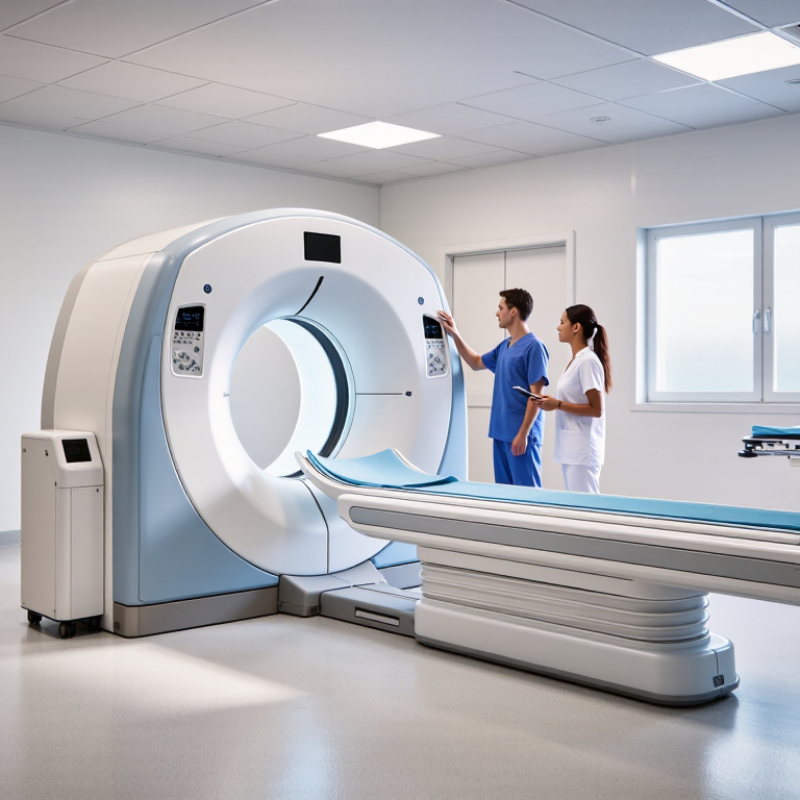
Choosing a mobile CT system starts with the patients and examinations it must support. List the expected scan types, patient volume, and busiest operating hours. An emergency department may need rapid access for acute head injuries, while an outpatient clinic may prioritize scheduled imaging and a predictable workflow. Be specific. “General imaging” is rarely enough to guide equipment selection.

Then assess where the scanner will operate. Measure doorways, lifts, parking areas, and the route between the vehicle and care units. Check power access, setup time, and space for patient transfers. Ask radiology staff how the system will connect with existing image storage and reporting workflows. Plans may change after a site visit; that is worth allowing for.
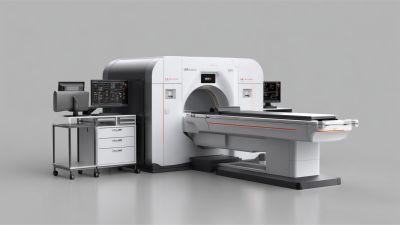
Compare Imaging Performance and System Specifications

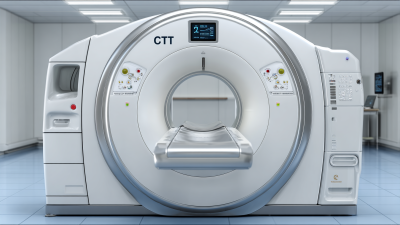
Choosing the best mobile CT machine in China starts with the clinical workload, not the highest specification on a brochure. Compare detector coverage, reconstructed slice thickness, rotation time, spatial resolution, and low-contrast performance using the same phantom and scan protocol. A fast rotation can help during urgent examinations, but it does not guarantee clear images when motion, noise, or patient size changes. Small differences matter. Check the actual acceptance-test results.

Dose figures need careful reading. AAPM Report No. 96 (2008) explains that CTDIvol and DLP describe scanner output; they are not direct measurements of an individual patient’s absorbed dose. AAPM Report No. 204 (2011) introduced size-specific dose estimate conversion factors based on patient size. This matters when comparing systems: the same CTDIvol can represent different estimated doses for differently sized patients. Ask vendors to provide dose and image-quality results from comparable protocols, not isolated headline numbers.

For a mobile unit, assess practical details alongside image performance: gantry opening, table capacity, scan range, power requirements, and time needed to position the system beside a stretcher. Review image uniformity and noise at the protocols your team actually uses. More detector rows may improve coverage, yet can add cost without solving the main workflow problem. That sounds tidy; real sites are messier. Request a supervised demonstration with representative patients or phantoms, then document the settings and results for an independent comparison.

Check China’s Regulatory Approval and Safety Standards

Before choosing a mobile CT scanner in China, verify its registration with the National Medical Products Administration (NMPA). Check that the certificate covers the exact model, intended clinical use, and manufacturer—not just a similar product in the same range. Confirm the registration status through official records, and ask for Chinese-language instructions and labeling. Details matter. If the unit is imported, clarify which local entity handles registration, service, and safety notices. A tidy document folder is reassuring, but it does not prove the machine is suitable for your facility.

Radiation safety deserves an on-site review. Ask a qualified medical physicist or radiation-safety professional to assess the room, shielding, patient workflow, and operator position before installation. Verify that acceptance testing, dose monitoring, routine quality checks, and maintenance plans follow applicable Chinese requirements and current GB standards. Request test records, not only verbal assurances. Check how the mobile unit is secured during scanning and whether staff can maintain distance or use protective barriers. A rushed review can miss practical problems, such as a control area too close to a doorway. Regulations and standards may change, so confirm current requirements with the relevant authorities or qualified local experts.

Evaluate Manufacturers, Service, and Customization Options

Choosing a mobile CT system starts with the manufacturer’s evidence, not its brochure. Request technical specifications, quality-control records, and references from facilities with similar workloads. Ask how image quality is tested across different patient sizes and scan protocols. A demo matters. Have radiographers assess setup time, controls, and patient positioning in realistic conditions.

Service quality affects daily availability. Ask who responds to faults, how quickly engineers can arrive, and which spare parts are kept locally. Clarify what remote support can and cannot resolve. Check the training plan for operators and maintenance staff, including refresher sessions. A polished service promise means little without clear response targets and named responsibilities.

Customization should fit the clinical workflow, not just the vehicle. Review power supply, room dimensions, turning space, patient transfer, and shielding with qualified technical staff. Confirm that software can connect with existing imaging and records systems. Some changes add cost or make future maintenance harder. Not every request improves care. Write down essential requirements, then ask the manufacturer to explain trade-offs and document any agreed modifications. A small detail, such as where cables cross a doorway, can shape the whole working day.

Assess Total Cost, Deployment, and Long-Term Support

Choosing a mobile CT machine in China starts with total cost, not the purchase quote. Include room preparation, shielding review, power upgrades, transport, installation, training, and planned tube replacement. OECD’s Health at a Glance 2023 reports about 29 CT scanners per million people across OECD countries, showing how widely access and utilization can vary. A busy hospital may need faster service response and a larger maintenance budget than a low-volume site. Ask suppliers to model costs over seven years, including downtime and software updates. Estimates are only estimates.

Deployment details can delay opening. Measure doorways, lift capacity, floor loading, parking access, and the route from delivery point to scan room. Check local power stability and cooling requirements before signing. A mobile unit may fit on paper but fail the daily workflow test. Watch staff move a patient trolley through the proposed route.

Tips: Request a written site-readiness checklist and a service-level agreement. Confirm response times, spare-parts availability in China, remote support hours, and training for new staff. Compare warranty exclusions, not just warranty length. The IAEA’s CT quality-assurance guidance emphasizes acceptance testing and routine performance checks; budget for both. Ask who records image-quality and dose checks, and how issues are escalated. One assumption may need revisiting: lower upfront cost does not always mean lower lifetime cost.

How to Choose the Best Mobile CT Scan Machine in China?

Suggested evaluation weighting for comparing mobile CT options

Use this suggested planning framework—not a market survey or product rating—to compare total cost of ownership, site and deployment requirements, service response, clinical workflow fit, and local regulatory readiness. Confirm costs, installation needs, service coverage, and compliance documentation directly for each proposal.