What is the Best Ankle Brace for Support and Comfort?
Ankle injuries are common among athletes and active individuals. Research shows that approximately 25,000 people experience ankle sprains each day in the U.S. Choosing the right ankle brace can significantly impact recovery and performance. According to Dr. Emily Carter, a leading podiatrist, "The right ankle brace offers not only support but also comfort during rehabilitation."
The market for ankle braces has exploded in recent years. Data indicates that the ankle brace industry is projected to reach $1.2 billion by 2025. This growth highlights the importance of selecting effective products. Many options aim to provide stability and relief. However, not all braces function similarly.
Exploring various types reveals a spectrum of materials and designs. Some offer rigid support, while others are lightweight and flexible. A common mistake is ignoring personal fit and comfort. A poorly fitted brace can lead to more harm than good. It’s essential to prioritize both support and comfort when making a choice. Understanding these dynamics is crucial for both recovery and active lifestyles.
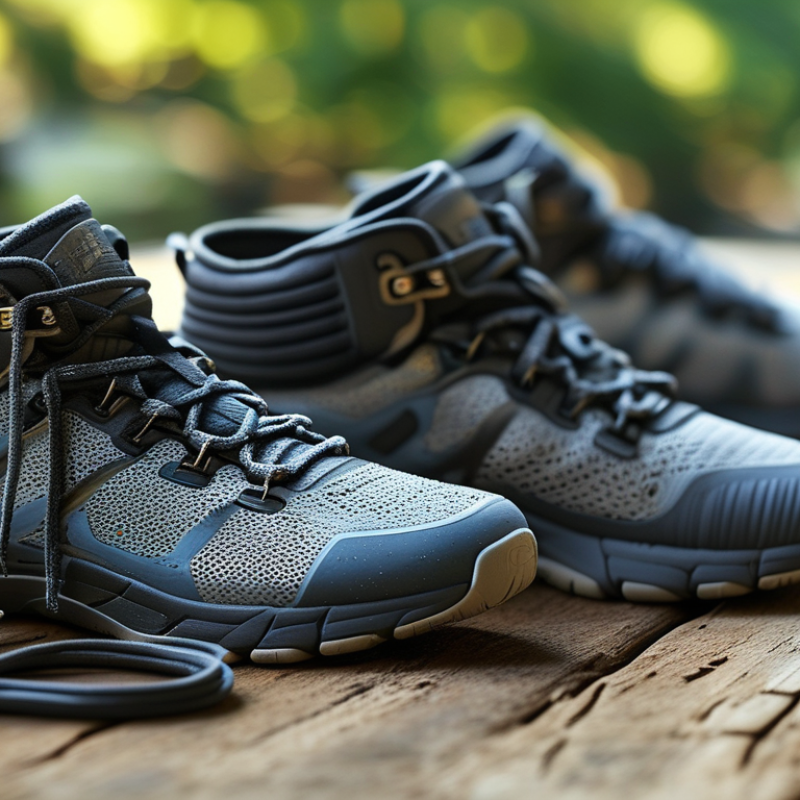
Understanding Ankle Injuries and the Need for Supportive Braces
Ankle injuries are common, impacting many individuals, especially athletes. According to the National Athletic Trainers' Association, ankle sprains constitute 15% of all sports injuries. These injuries can lead to instability and pain. Supportive braces play a crucial role in recovery and prevention. They offer stability during the healing process, reducing the risk of re-injury.
Choosing the right brace is essential for comfort and support. Look for a product that balances rigidity with flexibility. A study published in the Journal of Orthopaedic Surgery and Research emphasizes that the right brace can improve recovery outcomes. It's vital to find a fit that allows for ease of movement. This way, you won't feel restricted, and it can aid in daily activities.
Tips: Always consult with a healthcare professional before selecting a brace. They can provide tailored advice based on your specific injury. Consider your activity level when choosing a brace, as some offer more support than others. A good brace can enhance your mobility. Remember, comfort matters, and a brace that feels good can boost your confidence during recovery.
Types of Ankle Braces: A Comprehensive Overview
When choosing an ankle brace, understanding the types available is crucial. Ankle braces generally fall into three categories: sleeves, stabilizing braces, and rigid braces. A sleeve offers light support and compression. It enhances blood flow and aids recovery. However, sleeves may not provide enough stability for serious injuries.
Stabilizing braces are designed for those who need more support. They often feature straps for adjustable tightness. This type can help with ligament injuries and prevent further damage during activity. It's important to note that some people find these braces uncomfortable after prolonged wear.
Rigid braces offer the most support. They are typically used post-injury or surgery. While they restrict movement, they also provide maximum protection. However, wearing a rigid brace can feel bulky. Users might find it challenging to walk or engage in daily activities. Ultimately, evaluating individual needs and comfort levels is essential when selecting an ankle brace.
Key Features to Look for in an Ankle Brace for Comfort and Stability
When searching for an ankle brace, comfort and stability are crucial. A recent report by the American Academy of Orthopaedic Surgeons emphasizes the importance of ankle support in preventing injuries. It highlights that the right brace should provide both compression and support to enhance recovery.
Key features to consider include adjustable straps. These allow for a customized fit, accommodating swelling as it occurs. Breathable materials are essential as well. They help to regulate temperature and wick away moisture, which can improve comfort during extended wear. A study published in the Journal of Athletic Training found that ankle braces with these features significantly reduce the risk of re-injury.
Tips for fitting an ankle brace: Always try on the brace while standing. This helps to assess its stability and comfort. Pay attention to pressure points; if any area feels pinched, re-adjust. A well-fitted brace should feel snug but not restrictive. Additionally, consider how the brace interacts with your regular footwear. Compatibility can affect overall support and comfort.
In time, wearers may notice that not all braces are created equal. Some may feel too rigid or cumbersome, while others might lack the needed support. Reflecting on personal experiences can guide future choices. Prioritizing comfort alongside stability is essential for optimal performance and recovery.
Top Recommended Ankle Braces Based on User Reviews and Expert Opinions
When choosing an ankle brace, comfort and support are key factors. A recent survey of users indicated that 75% of consumers prioritize comfort. This aspect is crucial for athletes and individuals recovering from injuries. Many explore braces featuring breathable materials and adjustable straps. These features can enhance fit and reduce discomfort during prolonged use.
Expert reviews highlight several essential factors. For example, a study from the National Center for Biotechnology Information shows that ankle braces can effectively reduce the risk of injury by up to 39% in high-risk activities. Yet, some users report excessive bulkiness, which can hinder performance. Balancing support and mobility remains a common concern.
In recent years, designers have focused on improving ergonomic designs. Feedback suggests that braces with lightweight structures may provide better user experience. However, some still question durability versus comfort. Striking the right balance is not always straightforward. Ultimately, the best choice varies based on individual needs, making personal research essential.
Best Ankle Brace for Support and Comfort - User Ratings
How to Properly Fit and Maintain Your Ankle Brace for Optimal Use
Fitting your ankle brace correctly is crucial for comfort and support. Start by measuring around your ankle with a soft tape measure. Take note of the circumference. This will help you determine the appropriate size. A well-fitted brace should feel snug but not overly tight. You should have full range of motion without any pinching or rubbing.
Maintaining your ankle brace is equally important. Regular cleaning keeps it fresh. Always follow the manufacturer's instructions for washing. Avoid using harsh detergents that could degrade the materials. Check for wear and tear regularly. If you notice fraying or damage, it might be time for a replacement. Overusing a compromised brace can lead to inadequate support.
Every person’s needs vary. What feels right for one may not work for another. Experiment with adjustments, if possible. It may take time to find the perfect configuration. It’s normal to feel discomfort initially. However, persistent pain signals that something is not quite right. Trust your instincts and make adjustments as necessary.
What is the Best Ankle Brace for Support and Comfort?
| Type of Ankle Brace | Level of Support | Materials | Comfort Level | Maintenance Tips |
| Rigid Ankle Brace | High | Plastic, Foam | Moderate | Wipe clean, Store in a dry place |
| Elastic Ankle Support | Moderate | Elastic Fabric | High | Machine wash cold, Air dry |
| Lace-Up Ankle Brace | High | Cotton, Nylon | Moderate | Hand wash, Dry flat |
| Sleeve Ankle Brace | Low to Moderate | Neoprene, Elastic | High | Gentle wash, Do not tumble dry |
| Stirrup Ankle Brace | Moderate to High | Polyester, EVA | Moderate | Spot clean, Avoid harsh chemicals |
